Floral Wildflower Embroidery Design Review
As a designer who has spent years navigating the delicate balance between aesthetic appeal and machine performance, I approach every new machine embroidery design with a critical eye. The market is flooded with digital assets, but few truly translate well from a screen to a finished product. Today, I am evaluating the Floral Wildflower Embroidery Design, a piece categorized under Single Flowers. My goal is not just to describe what it looks like, but to determine if it holds up under the pressure of real-world production for your craft business or personal projects.
First Impressions: Softness Meets Structure
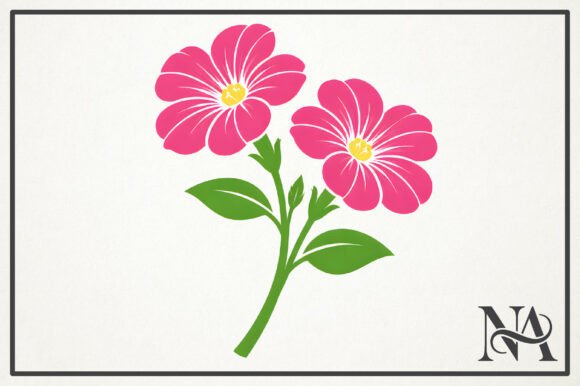
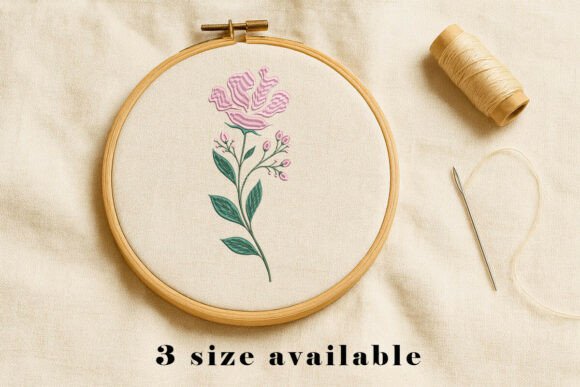
When I first loaded the preview of this embroidery file, the mood was immediately clear. It captures that elusive "soft botanical beauty" promised in its description. The composition features a delicate pink flower anchored by leafy stems and scattered with tiny blossoms. Visually, it leans heavily into a romantic, cottage-core aesthetic. For an Etsy seller or boutique owner looking to elevate their brand identity, this design offers a distinct personality that stands out against more generic floral motifs.
The layout feels organic rather than rigid. The way the stems curve suggests movement, which is crucial for custom apparel where you want the design to follow the drape of the fabric rather than fighting against it. However, as a reviewer, my immediate concern is always the execution of those "tiny blossoms." In Embroidery, small details are often the first to fail if the stitch density isn't perfectly calibrated. The visual promise here is high, but the technical delivery depends entirely on how the digitizer handled the transition from large petals to minute accents.
Real-World Application: The Custom Tote Bag Test
To truly understand the potential of the Floral Wildflower Embroidery Design, I visualized it on a specific project: a heavy-duty canvas tote bag for a local artisan shop. This is a staple item for many small business owners, serving as both a functional accessory and a walking billboard for the brand.
In this scenario, the design's strength lies in its versatility. Placed centrally on a natural beige canvas, the pink hues would pop without overwhelming the texture of the fabric. Unlike dense, dark patterns that can weigh down a lightweight garment, this single flower motif feels light and airy. If I were producing these as a handmade product line, I could easily pair this with other coordinating designs to create a cohesive collection. The tote bag design would likely resonate well with customers seeking eco-friendly, aesthetically pleasing goods.
Imagine a customer holding this bag at a craft fair. The tactile quality of the fill stitch on the larger petals combined with the crisp definition of the leaves creates a premium feel. It signals quality craftsmanship. For a personalized gift, perhaps adding a monogram near the stem, this design provides enough negative space to accommodate text without cluttering the visual field. This adaptability is exactly what makes a digital embroidery file valuable for a craft business.
Navigating Fabric Challenges and Technical Nuances
While the aesthetic appeal is strong, practical application requires caution. As with any intricate Single Flowers design, the choice of substrate is paramount. I would advise against using this on highly textured fabrics like chunky knits or thick terry cloth unless you plan to use a very heavy stabilizer. The tiny blossoms mentioned in the description risk getting lost in the weave of a rough material, leading to a muddy appearance in the finished product.
Similarly, working with stretchy fabrics such as jersey knit for a sweatshirt embroidery project demands careful hooping. The tension required to pull the thread through stretchy material can distort the delicate curves of the wildflower stems. If the design shifts even slightly during stitching, the symmetry of the flower could be compromised. For apparel decorators, testing this on a scrap piece of the exact fabric intended for the final run is non-negotiable.
Another critical factor is color contrast. While the design features a "delicate pink," placing this on a dark navy or black background changes the dynamic entirely. You may need to adjust the thread colors or add a layer of underlay to ensure the pink doesn't disappear. Always test your design in black and white mockups first to gauge visibility before committing to expensive threads and materials.
Where to Use With Care
- Small Hoop Sizes: If you attempt to shrink this design to fit a 4x4 hoop, the tiny blossoms may become indistinguishable blobs of thread. Stick to recommended scaling limits.
- Curved Surfaces: On items like caps or hats, the curvature can cause puckering around the leafy stems. A cap frame and appropriate stabilizer are essential.
- Frequent Washing: Items like kitchen towels or baby clothes undergo rigorous washing cycles. Ensure the stitch density is tight enough to prevent fraying over time, especially on the fine details.
- Thin Fabrics: Without proper backing, the weight of the thread on a sheer blouse could cause visible distortion.
Commercial Viability and Brand Consistency
For the creative entrepreneur looking to sell commercial embroidery services or finished goods, consistency is key. The Floral Wildflower Embroidery Design offers a level of professionalism that can boost buyer engagement. When a customer sees a clean, well-executed design, their trust in your brand increases. Conversely, a poorly stitched design with pulled threads or missed details can damage your reputation instantly.
This design fits seamlessly into several niches: baby embroidery for nursery decor, holiday embroidery for seasonal gifts, or even as an embroidered patch for denim jackets. The "wildflower" theme is perennially popular, ensuring that your inventory remains relevant across seasons. However, remember to verify the licensing terms. As a digital product seller, you must confirm whether you are allowed to sell the physical items made with this design or if the license restricts you to personal use only. Never assume; always check the terms provided with the download.
Final Designer Notes and Recommendations
Before integrating the Floral Wildflower Embroidery Design into your workflow, take the time to perform a thorough test run. Load the file onto your machine and stitch it on a scrap of your target fabric using the same stabilizer you intend for the final project. Inspect the back of the work for loose threads and the front for any gaps in the running stitch or satin stitch areas.
Check the hoop size requirements carefully. If the design is too large for your standard hoops, consider splitting it or finding a larger frame. Also, review the stitch count to estimate production time accurately. High stitch counts can lead to longer production times, affecting your pricing strategy for small shop products.
Ultimately, this design offers a charming, versatile option for those who appreciate botanical elegance. It bridges the gap between simple decorative elements and complex artistic statements. Whether you are creating a one-off personalized gift or launching a line of custom apparel, the Floral Wildflower Embroidery Design has the potential to add significant value to your portfolio—provided you respect the technical requirements of the medium. By paying attention to fabric choice, stabilizer usage, and color contrast, you can ensure that the soft botanical beauty translates perfectly from the digital realm to the tangible world.