Classic Nautical Anchor Embroidery: A Designer’s Real-World Review
First Impressions: Clean, Timeless, and Versatile
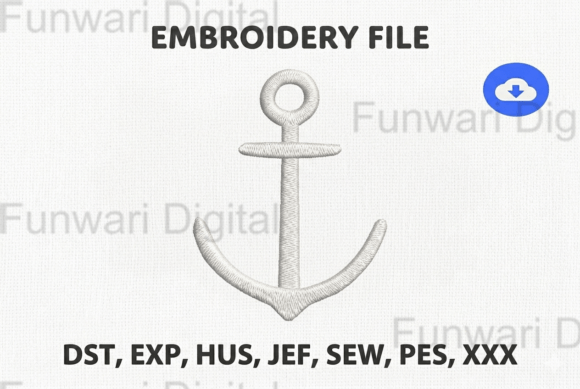
When I first opened the Classic Nautical Anchor Embroidery file, I was struck by how well it balances simplicity with strong visual identity. The anchor motif is crisp and unmistakable, rendered in a minimalist silhouette that feels both modern and classic. It’s not overly detailed, which makes it perfect for a wide range of projects without looking dated. The design evokes a sense of coastal calm—ideal for beach-themed items, but versatile enough to work in urban casual wear or rustic home decor too.
Real-World Use: From Tote Bags to Sweatshirts
I tested the Classic Nautical Anchor Embroidery on a few different items to see how it would hold up in actual use. Starting with a medium-weight cotton tote bag, the design stitched out cleanly with minimal thread breaks and no distortion. The lines are bold enough to read clearly on a casual glance, which is important for tote bag branding or boutique packaging.
Next, I tried it on a sweatshirt. The texture of the fabric didn’t interfere with the clarity of the design, which is a win. The satin and fill stitches held up well around the curves of the anchor, and the overall density felt balanced—not too heavy to pucker the fabric, but not so light that it looked washed out.
For a baby item, I stitched it onto a burp cloth. The minimalist nature of the Classic Nautical Anchor Embroidery worked beautifully here. It added a subtle thematic touch without overwhelming the small space, and the clean lines made it easy to keep the design from snagging on sensitive fabrics.
Performance Across Embroidery Projects
- Custom Apparel: Looks sharp on shirts and jackets. Its size and clarity make it ideal for left chest placement or sleeve embroidery.
- Tote Bags & Aprons: Stands out without competing with the product’s function. Great for small business branding or personalized gifts.
- Pillow Covers & Tea Towels: The clean lines translate well to home decor, especially when paired with coordinating fonts or accents.
- Caps & Hats: Curved surfaces can distort designs, but this one held up nicely. Just make sure your hoop and stabilizer are set correctly.
- Embroidered Patches: Works well as a standalone patch design or as part of a layered applique project.
Where to Use It Carefully
While the Classic Nautical Anchor Embroidery is versatile, there are a few scenarios where extra attention is needed. On dark fabrics, the thread color contrast becomes critical. I recommend testing with a few color variations to ensure the anchor doesn’t blend in too much. On thin or stretchy fabrics, be sure to use a quality stabilizer to prevent distortion or puckering.
It’s also important to consider hoop size. If you’re working with a small hoop, this design might need scaling down or repositioning. Be cautious with detailed corners—this design is clean, but small anchor details can get lost if reduced too much.
Layered garments like hoodies or thick winter wear may require checking stitch density and underlay to ensure the design remains visible and crisp after washing and wear.
Visual Appeal and Marketability
One of the biggest strengths of the Classic Nautical Anchor Embroidery is its ability to elevate a product without overpowering it. For small business owners and Etsy sellers, that’s huge. It adds a professional finish that customers notice and appreciate. The design’s timeless appeal also makes it giftable across seasons and occasions—think baby showers, Father’s Day, or coastal-themed weddings.
From a branding standpoint, this design works well as part of a consistent product line. Whether you’re creating a boutique collection or a line of personalized gifts, the anchor motif is recognizable and easy to pair with coordinating elements like wave patterns, rope accents, or nautical fonts.
Designer Notes for Best Results
- Always test the design on scrap fabric before stitching out on your final product.
- Check thread color contrast, especially on dark or patterned fabrics.
- Verify stitch density and underlay settings to avoid puckering or distortion.
- Confirm hoop size compatibility with your machine and project dimensions.
- Inspect small details like corners and sharp edges to ensure they stitch cleanly.
- Try a black and white mockup to see how the design reads without color influence.
- Compare performance on light and dark backgrounds to assess visibility and contrast.
- Use the appropriate stabilizer for your fabric type—cutaway for stretchy knits, tear-away for stable weaves.
- Ensure the design is licensed for both personal and commercial use if you’re selling finished items or digital embroidery files.
Final Thoughts: A Solid Addition to Your Design Kit
As someone who evaluates dozens of embroidery files each month, I can confidently say the Classic Nautical Anchor Embroidery is a keeper. It’s clean, functional, and adaptable—three qualities that matter most when you're creating custom products at scale or crafting one-off items for clients.
Whether you're an Etsy seller looking to expand your beach-themed offerings or a small shop owner building a line of boutique merchandise, this design delivers consistent results across a wide range of applications. Just remember to test, test, test before production, and always pair it with the right fabric and stabilizer combo for best results.